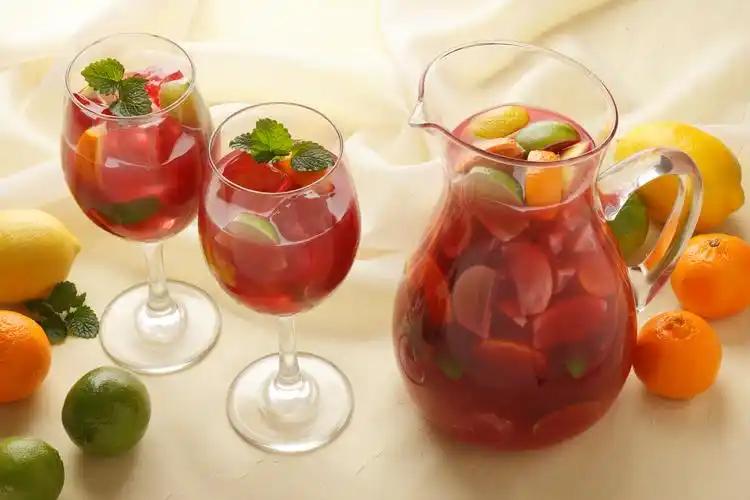
Ever wanted to make your own fruit wine? It’s easier than you think! With just fruit, sugar, yeast, and patience, you can craft delicious homemade wine in 4–6 weeks.
Below, we’ll walk you through a simple, foolproof method—perfect for beginners.
What You’ll Need
✔ Fruit of choice (berries, peaches, plums, or apples work best)
✔ Sugar (white or brown, depending on sweetness preference)
✔ Wine yeast (or bread yeast in a pinch)
✔ Water (filtered or spring water is best)
✔ Fermentation vessel (glass jug or food-grade plastic bucket)
✔ Airlock (to let CO2 escape without letting air in)
✔ Sanitizer (to prevent contamination)
Step-by-Step Instructions
1. Choose & Prepare Your Fruit
- Best fruits for beginners: Blackberries, strawberries, peaches, or apples.
- Wash & chop fruit (remove pits/stems if needed).
- Mash lightly to release juices (don’t puree—it can make the wine cloudy).
2. Make the Must (Fruit-Sugar Mixture)
- In a large pot, combine:
- 4 lbs fruit
- 2 lbs sugar (adjust for sweetness)
- 1 gallon water
- Heat gently (do not boil) to dissolve sugar, then cool to room temp.
3. Add Yeast & Start Fermentation
- Transfer mixture to a sanitized fermentation vessel.
- Sprinkle 1 packet wine yeast (or 1 tsp bread yeast) on top.
- Seal with an airlock (or cover loosely with a clean cloth).
- Store in a dark, cool place (18–24°C / 64–75°F).
4. Wait & Monitor (1–2 Weeks)
- Stir daily for the first week to help fermentation.
- After 7–10 days, strain out fruit solids using a cheesecloth or fine mesh.
- Return liquid (now called “must”) to the fermenter with the airlock.
5. Secondary Fermentation (2–4 Weeks)
- Let the wine sit undisturbed for 2–4 weeks until bubbling slows.
- Optional: Rack (siphon) the wine into a clean vessel to improve clarity.
6. Bottle & Age (Optional but Recommended)
- Once fermentation stops, bottle the wine.
- Age for 1–3 months for smoother flavor (or drink young for a fresher taste).
Tips for Success
✅ Sanitize everything! (Bacteria can ruin your batch.)
✅ Use ripe, high-quality fruit (avoid moldy or underripe produce).
✅ Experiment with flavors (add cinnamon, vanilla, or citrus zest).
✅ Keep notes (track sugar, yeast, and fermentation time for future batches).
Common Mistakes to Avoid
❌ Using metal containers (can react with acids—stick to glass or plastic).
❌ Skipping the airlock (exposure to air can cause vinegar flavors).
❌ Rushing fermentation (patience = better wine).
Final Thoughts
Homemade fruit wine is a fun, rewarding hobby—and a great way to use up extra summer fruit. Whether you prefer sweet berry wine or dry apple wine, the possibilities are endless.
Have you made fruit wine before? Share your tips in the comments!